Introduction
Roof waterproofing is an essential aspect of maintaining the structural integrity of your home or commercial building. Without proper waterproofing, your roof is susceptible to leaks, water damage, and mold growth. Choosing the right method for your climate is crucial to ensure that your roof remains protected against the elements.
In this article, we will explore various roof waterproofing techniques that you can consider for your property. We will discuss the benefits and drawbacks of each method, as well as their suitability for different climates. By understanding these techniques, you can make an informed decision and protect your investment.
Benefits of Roof Waterproofing
Roof waterproofing offers several advantages that make it a worthwhile investment for any property owner. Here are some key benefits:
Prevents water damage: The primary purpose of roof waterproofing is to prevent water from seeping into your building's structure. By creating a watertight barrier, you can avoid costly repairs caused by water damage.
Reduces energy costs: A properly waterproofed roof helps to maintain a consistent indoor temperature by preventing heat or cold air from escaping. This can lead to significant energy savings on heating and cooling bills.
Increases lifespan: Waterproofing protects your roof from premature deterioration caused by exposure to moisture. It extends the lifespan of your roof and reduces the frequency of repairs or replacements.
Prevents mold growth: Moisture trapped in your roof can create an ideal environment for mold and mildew to thrive. Waterproofing inhibits their growth, promoting a healthier living or working environment.
Enhances property value: A well-maintained roof with proper waterproofing adds value to your property. Potential buyers or tenants are more likely to be attracted to a building with a reliable and durable roof.
Roof Waterproofing Techniques
1. Exterior Membrane Waterproofing
Exterior membrane waterproofing involves the application of a waterproof coating or membrane on the exterior surface of the roof. This method creates a protective barrier that prevents water infiltration.
Benefits:
- Provides excellent protection against water penetration. Can be applied to various types of roofs, including flat roofs. Offers long-lasting durability.
Drawbacks:
- Requires professional installation. May be more expensive compared to other methods.
2. Liquid Applied Membrane Waterproofing
Liquid applied membrane waterproofing involves the application of a liquid coating directly onto the roof surface. The coating forms a seamless and flexible membrane that effectively seals any gaps or cracks.
Benefits:
- Easy and quick installation process. Adapts well to complex roof shapes and details. Can be applied to various roofing materials.
Drawbacks:
- May require periodic maintenance and reapplication. Not suitable for roofs with heavy foot traffic.
3. Bituminous Membrane Waterproofing
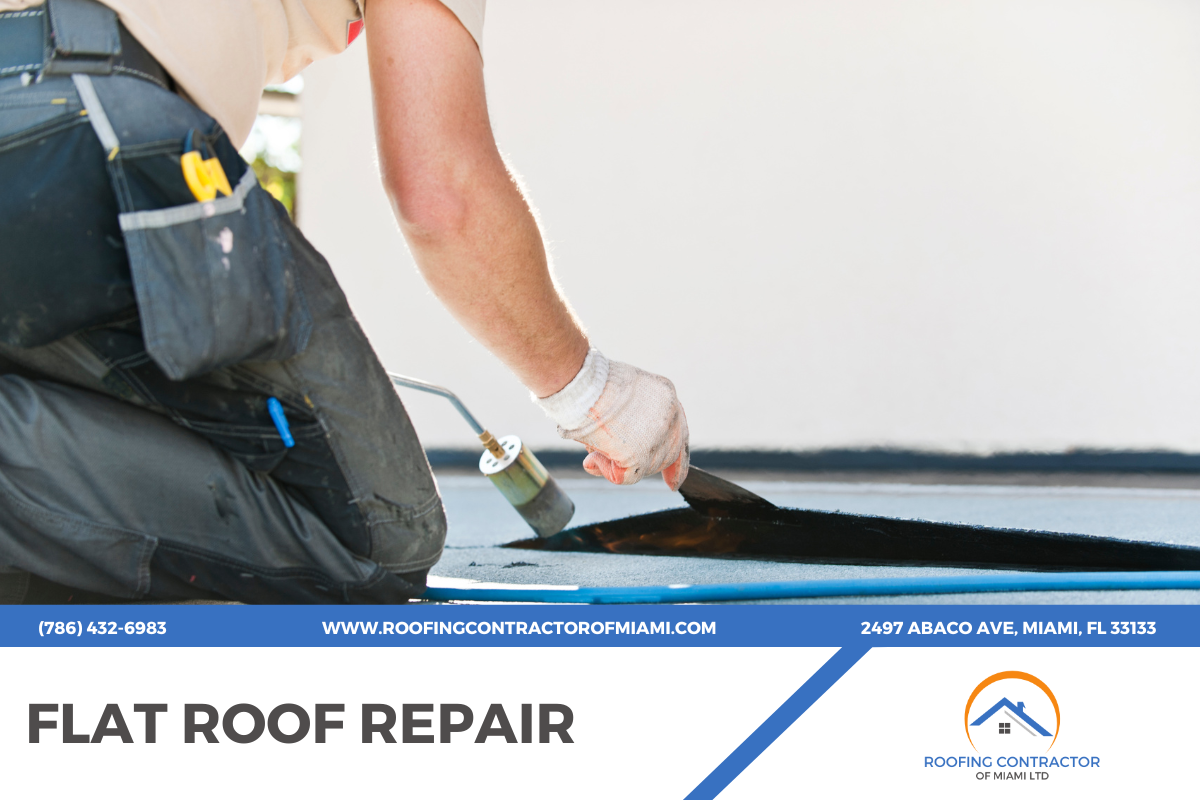
Bituminous membrane waterproofing is a popular method that utilizes layers of bitumen sheets or membranes to create a watertight seal. These membranes are typically made from asphalt or modified bitumen.
Benefits:
- Provides excellent resistance against UV rays and thermal movements. Suitable for both flat and sloped roofs. Offers good durability and flexibility.
Drawbacks:
- Requires careful installation to ensure proper adhesion. Prone to damage if not properly maintained.
4. Polyurethane Liquid Waterproofing
Polyurethane liquid waterproofing involves the application of a liquid polyurethane coating onto the roof surface. The coating cures into a seamless, durable, and flexible membrane that provides superior protection against water infiltration.
Benefits:
- Excellent resistance against UV rays, chemicals, and extreme temperatures. Can be applied to various roofing materials. Easy to maintain and repair.
Drawbacks:
- Requires professional installation. May be more expensive compared to other methods.
5. Green Roof Waterproofing
Green roof waterproofing involves the installation of a layer of waterproof material beneath a layer of soil and vegetation. This method not only provides waterproofing but also offers additional environmental benefits, such as improved insulation and reduced stormwater runoff.
Benefits:
- Provides excellent insulation and reduces energy costs. Enhances biodiversity and improves air quality. Creates an aesthetically pleasing rooftop garden space.
Drawbacks:
- Requires specialized design and installation. May require additional maintenance compared to traditional roofs.
FAQs
1. What is the best roofing material for waterproofing?
The best roofing material for waterproofing depends on various factors, including your climate, budget, and personal preferences. Some popular options include asphalt shingles, metal roofing, and PVC membranes. It is recommended to consult with a professional roofing contractor to determine the most suitable material for your specific needs.
2. Can I waterproof my roof myself?
While there are DIY roof waterproofing kits available, it is generally recommended to hire a professional roofing contractor for optimal results. They have the expertise, experience, and necessary equipment to ensure that the waterproofing is done correctly and effectively.
3. How often should I inspect my roof for potential leaks?
Regular roof inspections are essential to identify any signs of damage or leaks before they escalate into more significant issues. It is advisable to inspect your roof at least twice a year, preferably in spring and fall, or after severe weather events.
4. Are there any eco-friendly roof waterproofing options?
Yes, there are several eco-friendly roof waterproofing options available, such as green roofs or the use of sustainable materials like recycled rubber or plastic membranes. These options not only provide waterproofing but also contribute to environmental sustainability.
5. Can roof waterproofing help reduce noise from rain or hail?
Yes, roof waterproofing can help reduce noise from rain or hail. Adding an additional layer of insulation during the waterproofing process can provide soundproofing benefits, creating a quieter indoor environment.
6. How long does roof waterproofing last?
The lifespan of roof waterproofing depends on various factors, including the chosen method, climate conditions, and maintenance practices. On average, roof waterproofing can last anywhere from 10 to 20 years. Regular inspections and maintenance can help prolong its effectiveness.
Conclusion
Choosing the right roof waterproofing technique for your climate is crucial to ensure the longevity and durability of your roof. By understanding the benefits and drawbacks of different methods, you can make an informed decision that meets your specific needs.
Remember to roof maintenance consult with a professional roofing contractor who can assess your property's requirements and recommend the most suitable waterproofing solution. Investing in proper roof waterproofing will not only Miami Roofing Contractor Ltd protect your investment but also provide peace of mind knowing that your property is safeguarded against water damage and other potential issues.